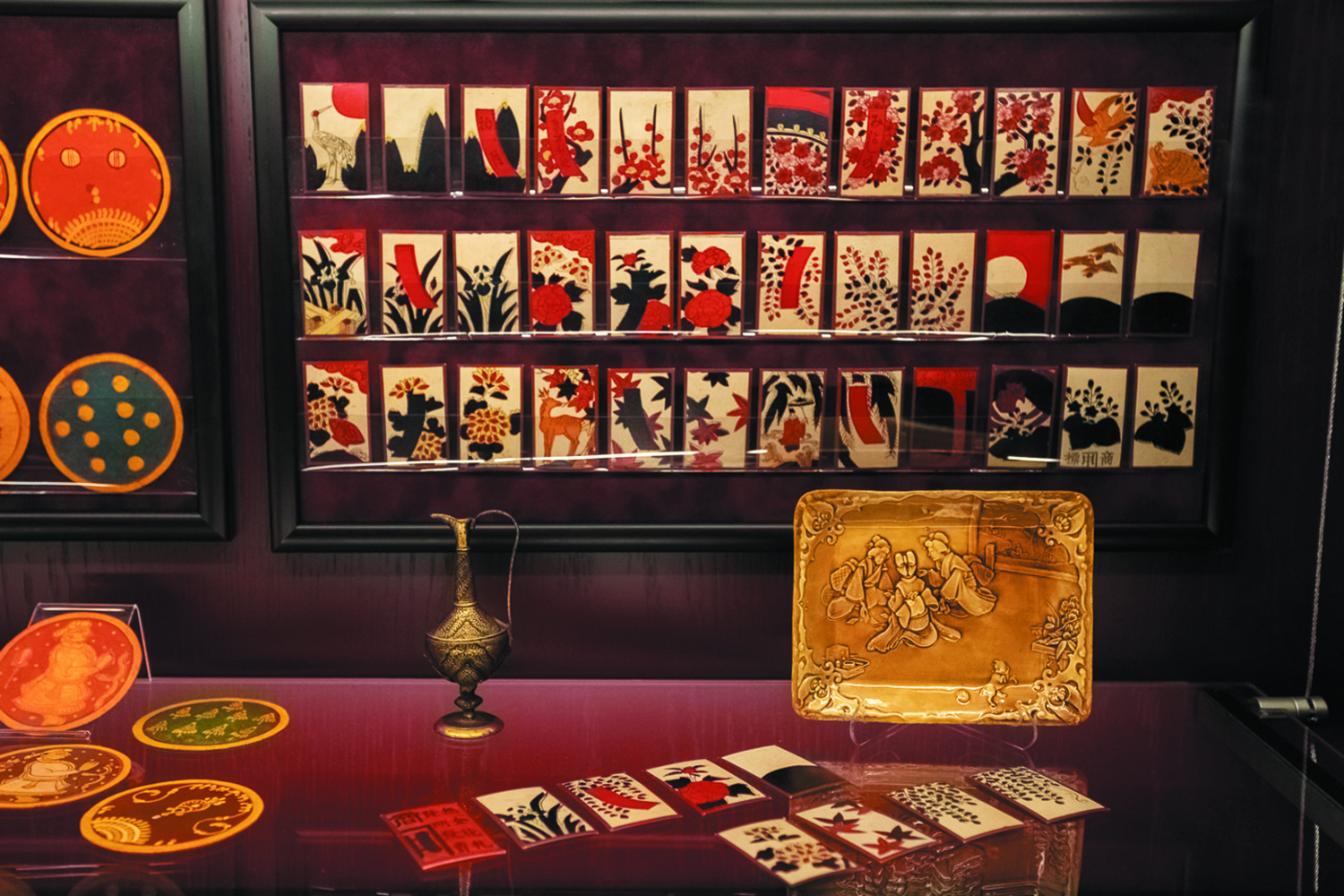
Museum of Rare Decks
A curated exhibition of the world's most historic, rare, and culturally significant playing cards. A tribute to the art of cartomancy and gaming.
A curated exhibition of the world's most historic, rare, and culturally significant playing cards. A tribute to the art of cartomancy and gaming.
The TurretDecks by Sterling Thames Media Museum is a living archive: we document how pasteboard became art, how casino floors and riverboats shaped what collectors chase today, and why a single tuck case can carry a century of craft. Nothing here is “just a deck”—each piece reflects a moment in printing technology, graphic design, and popular culture.
Our curators work with historians, magicians, and conservation specialists to present accurate provenance and context. Exhibits rotate as loans return and new acquisitions arrive; what you see online mirrors the stories we tell in the Wellington reading room, where registered visitors may study reference decks by appointment.
Before custom tuck boxes and foil-stamped limited runs, American playing cards were defined by industrial giants: USPCC, Russell & Morgan, and regional printers who supplied casinos, railways, and general stores. The decks below represent the pre-digital era—when court costumes, indices, and back designs evolved slowly, and a “standard” Bicycle or Bee could still hide a dozen factory variants worth cataloguing.
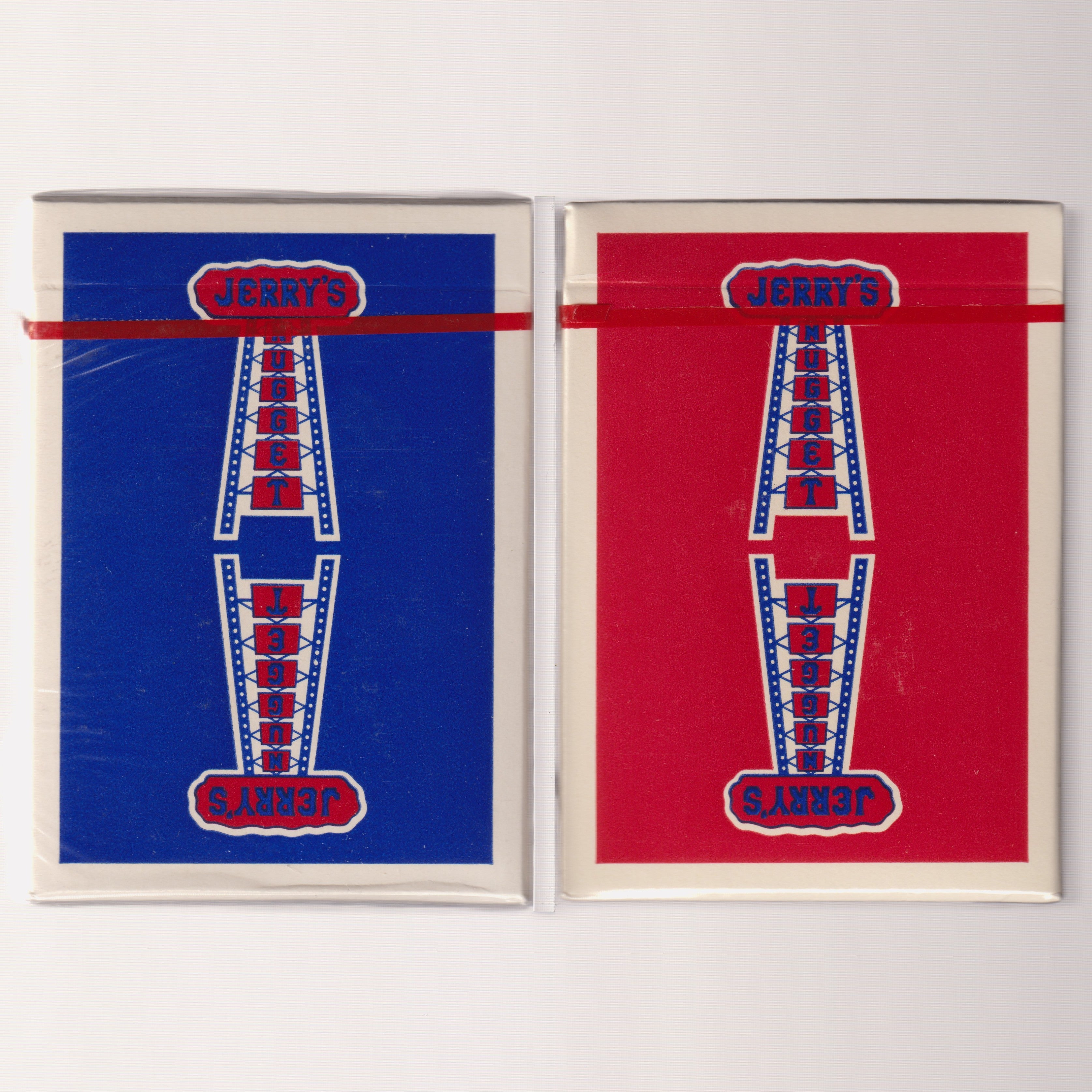
Las Vegas Casino Issue
The deck that redefined “modern vintage”: thick stock, stubborn corners, and a cult following among cardists long after the casino gift shop sold out.
View Exhibit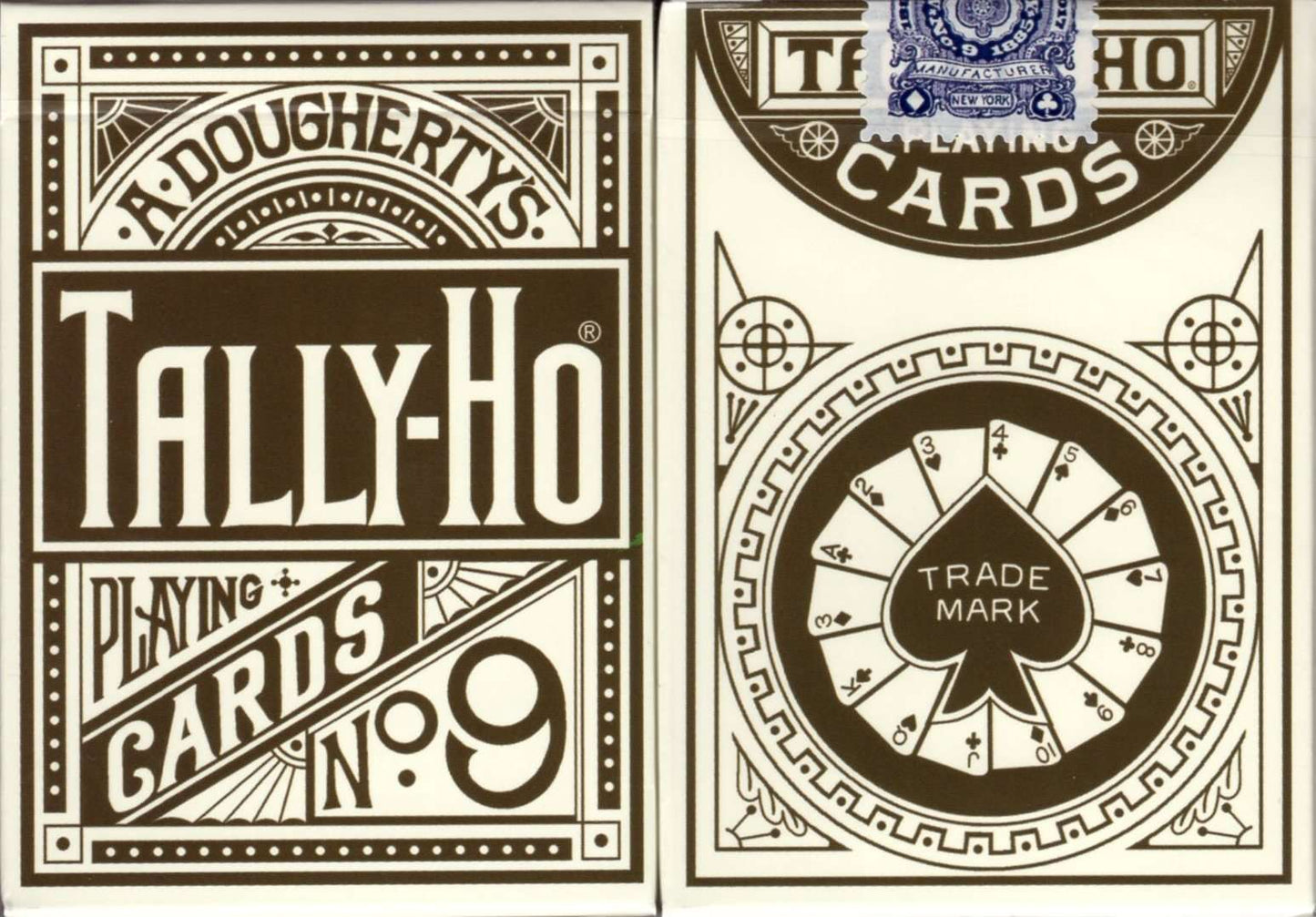
First Edition Print
An early Tally-Ho lineage piece: fine-line courts, subtle paste shades, and the kind of edge wear that tells you it was shuffled by real hands, not shelf queens.
View Exhibit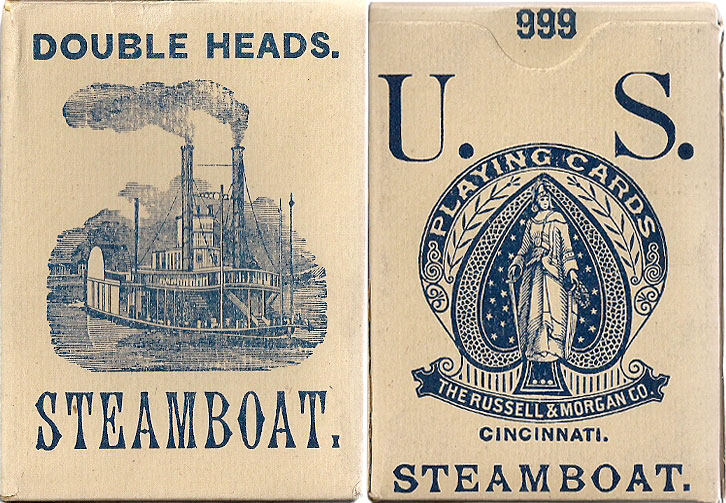
Classic Riverboat Issue
Named for the Steamboat brand’s long print run: a snapshot of commercial art when travel posters and playing-card backs shared the same bold, optimistic line work.
View ExhibitThe late 1990s and 2000s turned the tuck box into a canvas for illustrators and small studios. Short print runs, numbered seals, and retailer exclusives created a secondary market almost overnight. These “modern relics” are already historical: they mark the shift from mass-market utility to deliberate collectible design—and the moment online forums made rarity visible to everyone, not just insiders at magic conventions.
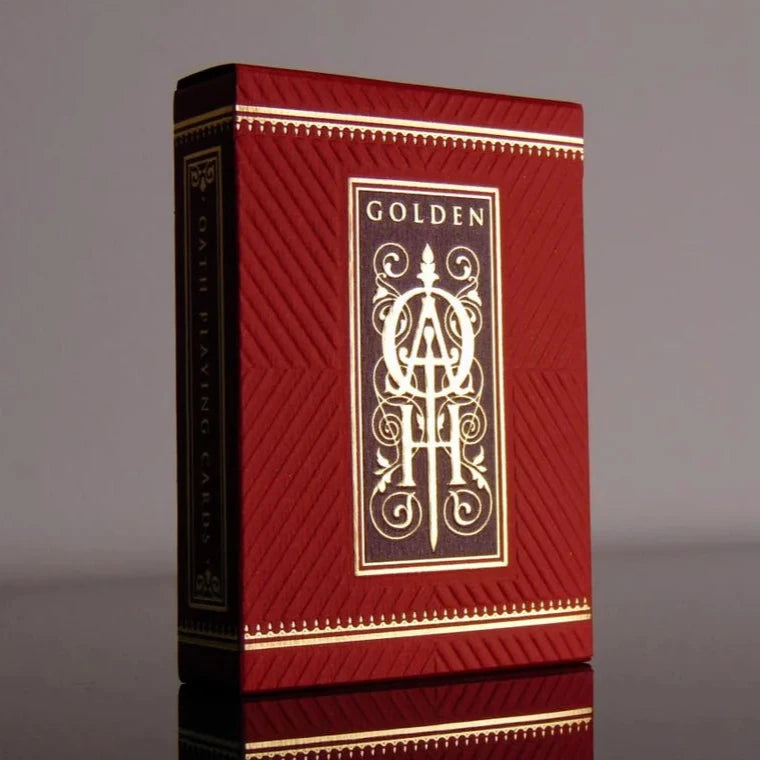
Edition of 400
European metal-foil aesthetics meet obsessive registration: a reference point for how embossing and spot UV redefined “luxury” in independent card design.
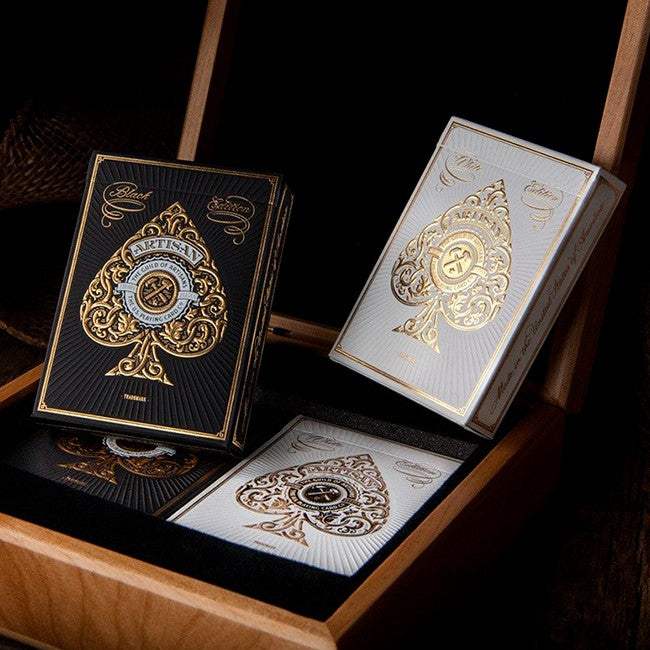
Target Exclusive
Big-box retail met boutique numbering: proof that scarcity and supermarket shelves weren’t mutually exclusive—and that collectors would queue for metallic seals in shopping aisles.
Playing cards are surprisingly fragile: humidity warps stock, light fades backs, and repeated flexing delaminates edges. Our museum copies are stored in acid-free sleeves, climate-monitored cabinets, and—when exhibited—under filtered UV glazing. We photograph each deck at registration-grade resolution so researchers can study plate alignment and tax stamp variants without handling the original more than necessary.
Labels on this site follow a simple rule: we distinguish provenance (where we know a deck has been) from attribution (what the community agrees the deck is called). When experts disagree—as with certain rewrapped casino issues—we note the debate instead of flattening it into a single headline.
Planning a research visit? Mention your focus—casino issues, transformation decks, or regional printers—and we can pre-pull comparison sets from the study collection. Educational groups and universities are welcome; contact us through the main site with at least two weeks’ notice for guided sessions.
Printed in 1970 in Cincinnati, Ohio, the Jerry's Nugget playing cards were originally produced for the Jerry's Nugget Casino in North Las Vegas. They were never actually used at the casino tables. Instead, they were sold in the gift shop for 50 cents, and later given away as souvenirs. What makes them exceptional is the unique printing process used by the United States Playing Card Company at the time. The specific cotton-based paper stock and the chemical finish applied created a deck that handles unlike any other in history. They possess a stiffness that snaps back perfectly, yet fan like butter.
By the late 1990s, renowned magicians discovered their unparalleled handling qualities, causing the remaining supply to vanish into private collections. Today, an authentic sealed deck commands prices upwards of $500 to $1000. It is a holy grail for cardists and a monumental piece of Las Vegas casino history.
Not every “Jerry’s” story is the same deck. Variations in seal placement, cellophane type, and even slight color shifts on the classic yellow backs fuel friendly but fierce debate. Our exhibit focuses on the North Las Vegas gift-shop lineage—the decks that left the building in shrink, not the later commemorative or reprint waves that borrowed the legend. When you compare a genuine 1970s tuck to modern homages, the difference is tactile before it is visual: weight, snap, and the way the finish grabs your skin.
Close-up performers prized Jerry’s for consistency across packets: the cards broke in predictably, which matters when a double lift or a tabled spread is timed to music. Cardists, arriving a generation later, pushed the same stock through springs, isolations, and long-form routines where any clumping would read as failure. That crossover—magic’s precision meeting street-style flourishes—is part of why the deck escaped the casino souvenir niche and entered global collecting consciousness.
Printed by USPCC specifically for the Jerry's Nugget casino in North Las Vegas.
Prominent magicians discover the unique handling qualities, sparking massive interest.
The casino finally sells out of the remaining original stock.
Licensed and independent reissues nod to the original iconography while making clear they are not 1970s stock—helping newcomers learn the difference between history and homage.
Pair this exhibit with our articles on design history and casino-era printing. If you are tracing a specific tax stamp or a factory code on a flap, our librarians can suggest comparison scans from the Dougherty and Russell archives—many of the same presses that touched Jerry’s Nugget also fed riverboats and railway dining cars across North America.
Images on this page are illustrative; accession numbers and condition reports for pieces on public display are available on request for serious researchers. We do not offer authentication certificates for decks purchased elsewhere, but we are happy to point you toward established community resources and conservation guidelines.
Andrew Dougherty’s workshop helped define what “American” playing cards looked like before the great consolidations of the twentieth century. Tally-Ho—especially the circle-back treatment collectors still associate with the No. 9 line—married crisp registration with a back pattern legible at arm’s length: essential for saloon lighting and stage work alike. An 1885-vintage tuck reflects an era when indices were still settling into standard forms and when paste shades could vary subtly between runs, giving specialists today a field guide’s worth of plate and paper clues.
Magicians adopted Tally-Ho for the same reason gamblers did: predictable handling, thin enough to packet-cut yet sturdy enough for repeated spreads. Long after Dougherty’s firm folded into the United States Playing Card Company lineage, the Tally-Ho name survived as shorthand for “serious tool deck”—a bridge between industrial printing and performance craft.
Early Tally-Ho studies hinge on typography on the ace of spades, tax stamps when present, and the relationship between tuck flaps and interior printing codes. We treat “1885” here as a cultural anchor for the first-edition story on the gallery card—not a blanket authentication of every tuck that shares the label—because surviving examples often carry mixed components from later refresh prints.
Our reading-room set pairs this lineage with Russell & Morgan contemporaries so visitors can compare court engraving styles side by side. If your research touches transformation decks or advertising backs from the same decade, we can usually surface a cousin print from the same paper suppliers—even when the brand names on the tucks differ.
Circle-back Tally-Ho enters the conversation as a premium house brand from one of New York’s most respected independent printers.
Dougherty expands alongside rivals; Tally-Ho becomes a reference deck for illustrators studying classic American court costumes.
Merger currents gather the major Cincinnati houses; the Tally-Ho name persists inside the USPCC family of brands.
Modern Tally-Ho releases echo the circle-back heritage while vintage Dougherty-era pieces remain grail objects for provenance-focused collectors.
Explore how court design and indices shifted across the same decades that produced this tuck. We also keep comparison folders for Bee and Bicycle cousins printed on shared equipment—useful when you are tracing a subtle shade difference across brands.
Images on this page are illustrative; accession notes for pieces on display are available to registered researchers. We do not provide commercial authentication, but we can recommend conservation handling for fragile nineteenth-century stock.
The Steamboat back is one of the most recognizable layouts in USPCC history: bold diagonals that read across smoke-filled rooms and bright riverboat salons alike. Sold widely under the “No. 999” stock number, it became the anonymous workhorse of American card play—cheap enough for the general store, trusted enough for the back room. A 1910-era box is less about a single “limited” moment than about the machinery of mass culture: repeating ornaments, standardized corners, and packaging designed to survive rail shipment.
Collectors prize Steamboat today for variant studies: minute shifts in blue intensity, different seal strategies, and the way wartime materials rationing later nudged handle and finish. The deck is a lesson in how the same back drawing could outlive generations of players without ever feeling “rare”—until time and attrition made ordinary packs extraordinary.
Steamboat’s name nods to Mississippi iconography, but the physical decks moved everywhere Cincinnati shipped pasteboard: frontier towns, union halls, parish fundraisers. Our exhibit text treats “1910” as the historical window on the gallery card—an era when standardized indices and familiar backs were already the norm, yet before celluloid glamour reshaped how decks were marketed.
Serious researchers often begin with the ace of spades jurisdiction line, then walk outward to wrapper typography and interior batch marks. Because Steamboat ran so long, the fun—and the scholarship—is in narrowing a tuck to a believable decade using a bundle of small tells rather than a single magic bullet.
Russell, Morgan & Co. establishes Steamboat among the house patterns that would define USPCC’s commercial backbone.
Mass production meets peak rail and river travel; Steamboat 999 ships in quantity to wholesalers serving small towns and cities alike.
Steamboat remains a default choice for clubs and kitchens; subtle factory changes leave a paper trail for today’s variant hunters.
Vintage tucks anchor exhibits on American graphic design; modern reissues keep the diagonal back recognizable to new players.
Connect Steamboat to our notes on casino-era printing and mass-market packaging. We can also pull rail-era advertising decks from the archive when you want to compare how travel brands and playing-card brands borrowed each other’s visual language.
Images on this page are illustrative; condition reports for objects on public view are available to registered visitors. For decks acquired on the secondary market, we recommend third-party specialist communities when you need purchase-grade authentication.